

When temperatures climb, many dog owners find themselves asking the same question: how do I cool my dog down safely?
Dogs can struggle in hot weather much more than people realise. They cannot sweat through their skin like we do, which means they rely heavily on panting to regulate their body temperature. During warm summer days, after exercise, or even while travelling in a car, a dog can become overheated surprisingly quickly.
The good news is that there are several simple and effective ways to help your dog stay cool. Knowing what to do and what not to do, can make a huge difference to your dog’s comfort and safety.
1. First, Get Your Dog Out of the Heat
This sounds obvious, but it is the most important step.
If your dog is standing in direct sunshine, lying on a hot patio, or walking on warm pavement, nothing else will be particularly effective until they are moved somewhere cooler.
Look for:
- Natural shade under trees
- A cool room indoors
- A well ventilated garage
- A shaded garden area
- Air-conditioned spaces when available
Many dogs begin to settle almost immediately once they are removed from the heat source.
If you’re out on a walk, don’t worry about finishing the route. Getting your dog comfortable is the priority.
2. Offer Water, But Let Your Dog Drink Naturally
A thirsty dog often wants water straight away, but there is no need to force large amounts.
Place a bowl of fresh, cool water in front of them and let them drink at their own pace.
Some dogs will take a few long drinks. Others will sip little and often. Both are perfectly normal.
Cool water is ideal.
Ice-cold water is unnecessary and may discourage some dogs from drinking when they need it most.
If your dog isn’t interested straight away, don’t force the issue. Give them a few minutes to settle first.
3. Use Cool Water on the Right Parts of the Body
Many owners make the mistake of pouring water over their dog’s entire body without much thought.
A better approach is to target areas where heat can escape more easily.
Use cool tap water on:
- The chest
- The neck
- The armpits
- The belly area
- The inside of the back legs
These areas tend to cool more effectively than simply soaking the dog’s back.
A damp cloth or cooling towel works well for this.
The aim is gradual cooling, not turning your dog into an ice cube.
4. Avoid Ice Baths and Ice Water
When a dog is overheating, it is tempting to use the coldest thing available.
In reality, this can sometimes work against you.
Very cold water can cause blood vessels near the skin to narrow, which may slow down heat loss rather than improve it.
A cool shower, cool towel, or cool hose is usually a much better option than ice water.
Think cool rather than freezing.
5. Let Airflow Do Some of the Work
Moving air helps carry heat away from the body.
If you’re indoors:
- Turn on a fan
- Open windows
- Improve ventilation where possible
If you’re outside:
- Move to a breezy area
- Sit in the shade
- Remove anything that may trap heat, such as coats or thick harnesses
Many dogs naturally stretch out on cool flooring or position themselves where air can circulate around them. Let them choose where they feel most comfortable.
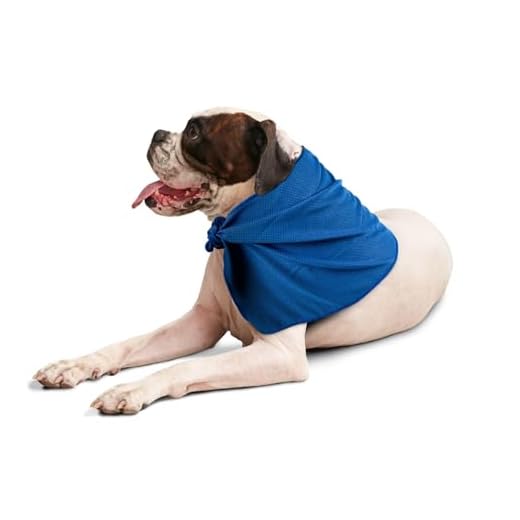
6. Cooling Towels Can Help When Used Properly
Cooling towels have become increasingly popular with dog owners, particularly during summer.
They can be useful, but only if used correctly. Soak the towel in cool water and wring out the excess before placing it around your dog’s neck or across the chest.
What you don’t want to do is completely wrap your dog in a heavy wet towel.
That can trap heat and reduce airflow.
A cooling towel should help heat escape, not hold it in.


7. Encourage Rest
One of the quickest ways to make an overheated dog worse is to keep them active.
After cooling measures have started, encourage your dog to rest.
Skip the ball games.
Skip the training session.
Skip the extra walk.
Even if they seem eager to continue, their body may still be working hard to regulate its temperature.
Give them time to recover fully.
8. A Cool Surface Can Make a Big Difference
Dogs often seek out cool surfaces naturally when they become warm.
You may notice them lying on:
- Kitchen tiles
- Stone flooring
- Shaded concrete
- Bathroom floors
There’s a good reason for this.
These surfaces help draw heat away from the body.
Cooling mats can offer similar benefits, especially during heatwaves or in homes that become very warm during the day.
9. Frozen Treats Can Provide Relief
Many dogs enjoy a cold treat when temperatures rise.
Simple options include:
- Frozen carrots
- Frozen banana slices
- Dog-friendly frozen yoghurt treats
- Watermelon pieces without seeds
These won’t replace proper cooling methods, but they can help your dog feel more comfortable while also encouraging hydration.
As always, introduce new foods gradually and ensure they are safe for dogs.
Signs Your Dog Is Starting to Overheat
Recognising the early warning signs can prevent a much more serious situation.
Watch for:
- Heavy panting
- Excessive drooling
- Bright red gums
- Seeking shade constantly
- Slowing down during walks
- Reluctance to move
- Restlessness
- Warm ears
These signs often appear before heatstroke develops.
The sooner you act, the easier it is to cool your dog down safely.
When It Stops Being a Simple Cooling Problem?
Sometimes overheating becomes more than just a hot dog needing a drink and a rest.
Contact a vet immediately if your dog shows:
- Vomiting
- Diarrhoea
- Weakness
- Collapse
- Disorientation
- Trouble standing
- Seizures
- Loss of consciousness
These symptoms can indicate heatstroke, which is a medical emergency.
While arranging veterinary treatment, continue gentle cooling with cool water and airflow.
Do not wait to see if the symptoms improve on their own.
Prevention Is Much Easier Than Treatment
The easiest way to cool a dog down is to stop them becoming overheated in the first place.
During warm weather:
- Walk early in the morning or later in the evening
- Carry water on longer walks
- Take regular rest breaks
- Avoid hot pavements
- Provide access to shade
- Never leave a dog in a parked car
Small adjustments to your routine can dramatically reduce the risk of overheating.
Bottom Line
If your dog gets too hot, focus on the basics first. Move them into shade, offer fresh water, use cool water on key areas of the body, and allow them to rest somewhere comfortable.
Most dogs recover quickly when cooling starts early. The real danger comes when owners miss the warning signs or assume a dog can simply push through the heat.
A little caution on warm days goes a long way. By paying attention to your dog’s behaviour and responding quickly when they seem too hot, you can help keep them safe, comfortable, and ready to enjoy the next adventure.


